
Choosing a machining process should rarely begin with the machine name. It should begin with the component.
What is its diameter? How long is it? Which dimensions are critical? Does it contain threads, grooves, holes or milled features? How many pieces are required?
Answers to these questions help determine whether swiss machined components offer practical advantages for a particular production requirement.
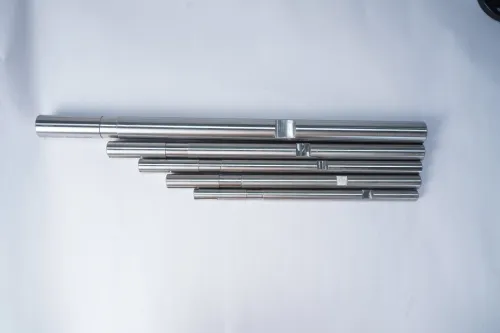
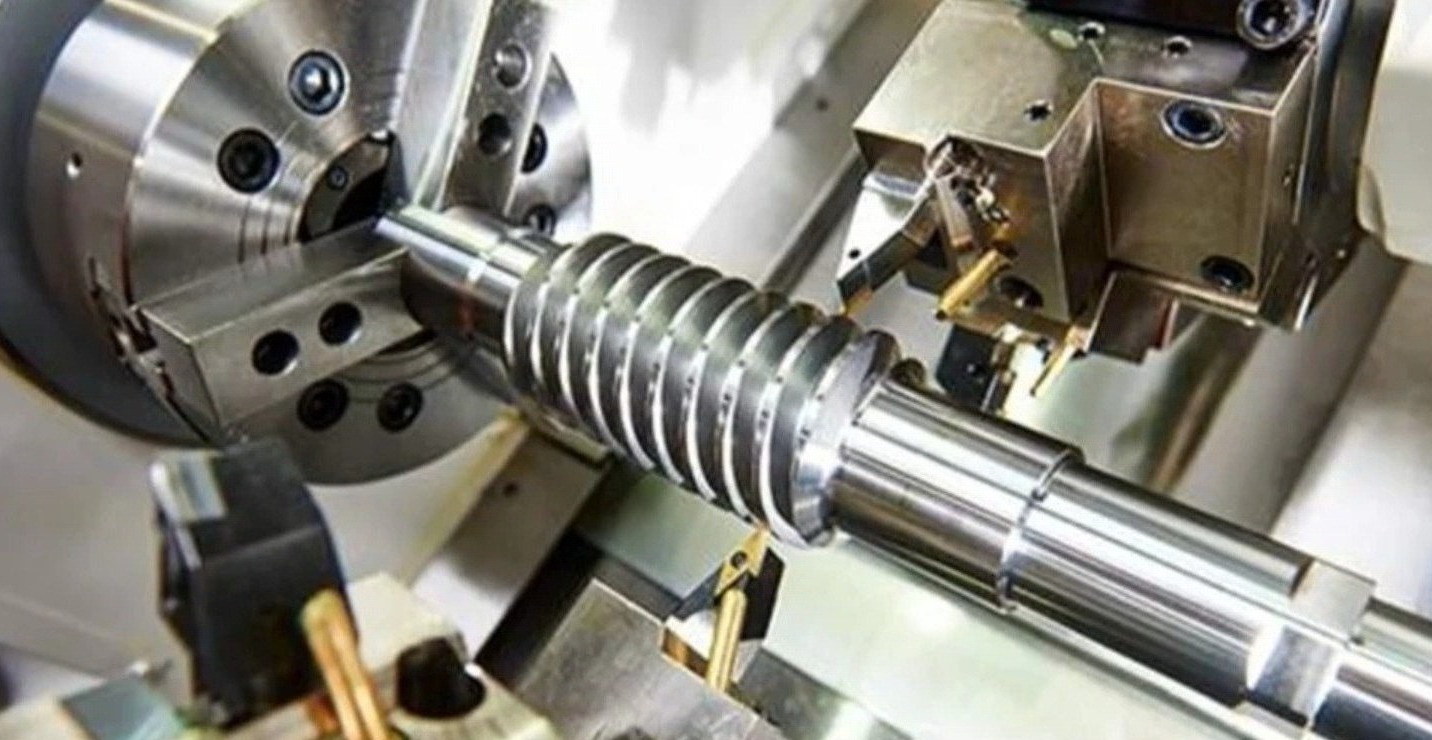
Swiss machining is often associated with small-diameter and elongated components because the material is supported near the cutting point. This arrangement can help maintain stability while intricate features are produced along the component.
The process is particularly interesting when several machining operations are required. Modern Swiss-type CNC systems may combine turning with drilling, milling, threading and other operations.
Completing more features within a coordinated machining cycle can reduce intermediate handling.
For procurement teams, this has another practical implication: component cost shouldn't be evaluated only by looking at cycle time. Secondary machining, setup requirements, inspection effort, production quantity and material utilisation can all influence overall manufacturing economics.
A seemingly inexpensive machining route can become costly if a component needs to travel through several additional operations before it is complete.
Quality planning matters equally. Tight-tolerance components require appropriate measuring methods, controlled processes and clear interpretation of engineering drawings. Inspection should focus especially on dimensions and features that influence assembly or end-use performance.
Working from Pune, Efficient Precision & System Pvt.Ltd supports precision machining requirements across different component configurations and manufacturing applications. Discussions can begin with the drawing rather than trying to fit every component into a predetermined machining method.
If you're developing or sourcing a new turned component, share the drawing, material specification and expected quantity to discuss its manufacturability.