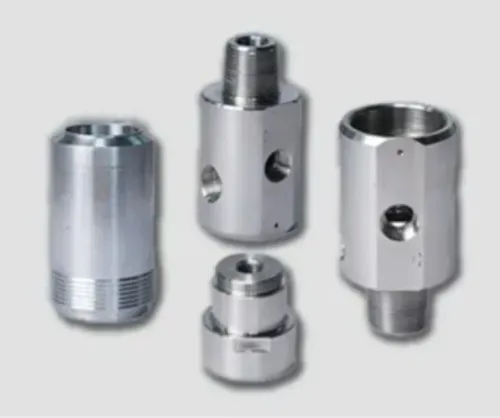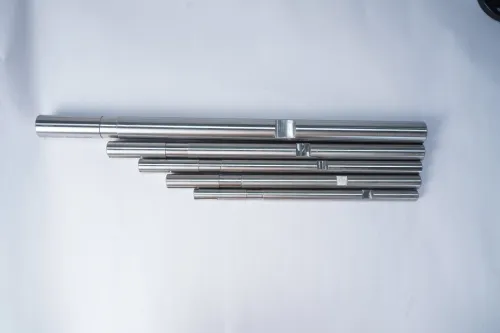

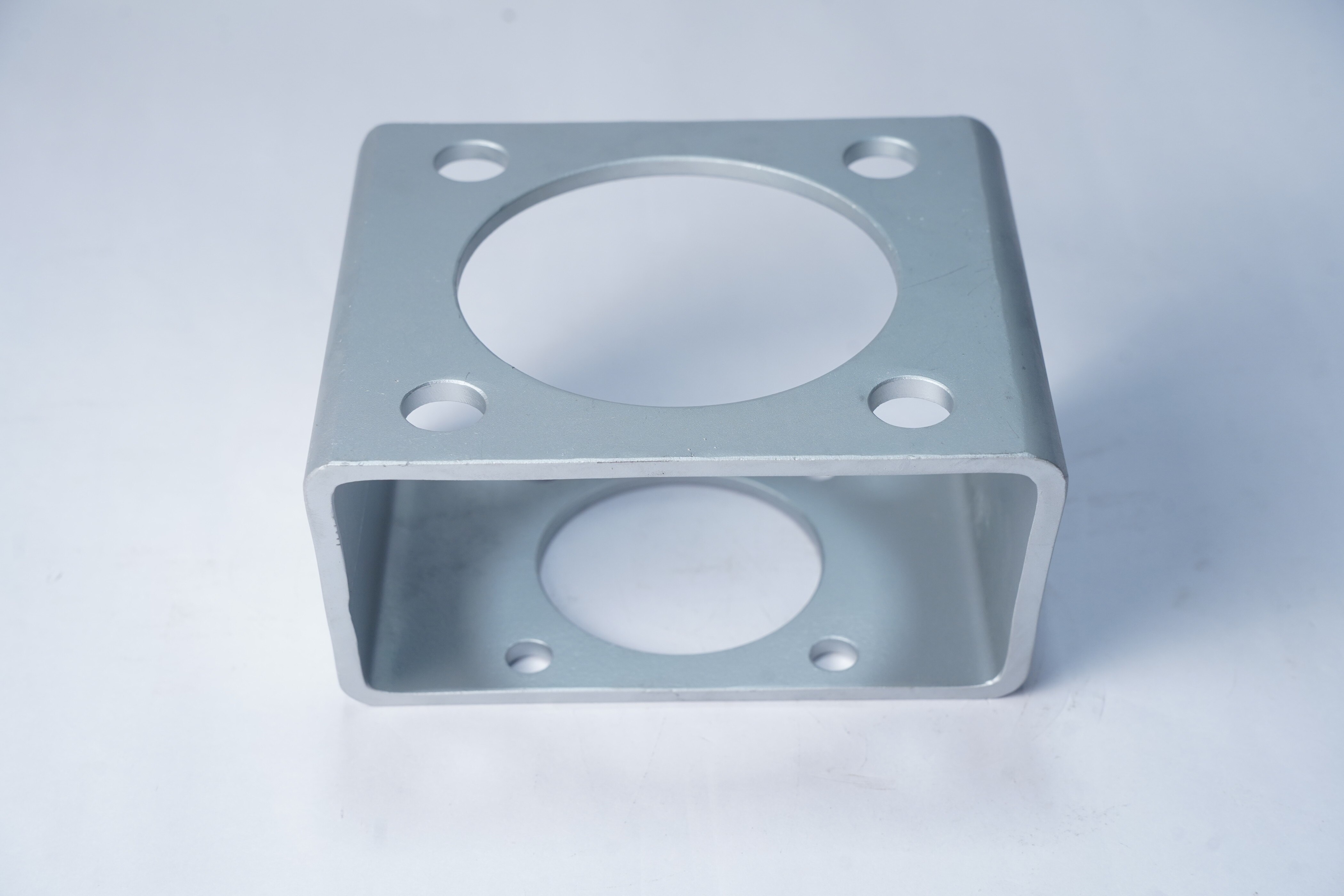
A “bracket adaptor” can mean an actuator-to-valve mounting bracket, shaft coupling adaptor, accessory bracket or structural support, so a Pune quotation is meaningless until the interface is defined. By the end, you will know which dimensions, materials, inspection records and supplier questions establish whether a part will fit and perform in your valve assembly.
Key takeaways
- Define the actuator-to-valve interface before requesting quotations.
- Check loads, dimensions, material grade and finish against the assembly.
- Request controlled drawings, tolerance data and inspection records.
- Compare accepted delivered cost, not unit price alone.
Define the adaptor interface before requesting a Pune quotation
A bracket adaptor connects a valve assembly to its actuator or accessory; it is not a generic mounting plate. For ball, butterfly and plug valves, define the quarter-turn actuator-to-valve interface. Gate and globe valves need a different bracket arrangement or a linear actuator.
The phrase “industrial valve bracket adaptor in Pune” allows conflicting quotations because it could mean:
- An actuator-to-valve mounting bracket
- A shaft or coupling adaptor
- A solenoid or accessory bracket
- A structural support
State whether the interface follows ISO 5211, VDI/VDE 3845 (NAMUR), a proprietary OEM pattern or a custom bolt pattern. ISO 5211 identifies quarter-turn mounting dimensions, but it does not prove compatibility: check the valve shaft, actuator stem, coupling, bolt engagement, actuator height, torque path and clearances.
| Option | Alignment and repeatability | Serviceability and modification |
|---|---|---|
| Direct mounting | Best alignment and repeatability when faces and patterns match | Fast service; little modification |
| Spacer plate | Preserves axis height when accurately machined | Easy removal; adds stack-up and fasteners |
| Fabricated bracket | Handles offsets and unusual patterns | More adjustment; lower repeatability unless machined |
| Welded assembly | Suits fixed structural supports | Harder to repair or realign after welding |
| Purpose-designed adaptor | Controls axes, torque transfer and clearance | Highest design effort; best for repeatable service |
Reject a universal bracket if it blocks actuator travel, shifts the actuator axis, weakens the torque path or substitutes a non-equivalent mounting pattern. A Pune quotation is useful only after you send the valve and actuator models, interface standard, shaft dimensions and approved mounting drawing.
Check dimensions, loads, materials and finishes against the assembly
A reliable adaptor fit requires more than length, width and hole diameter: obtain valve and actuator drawings or manuals, then define the complete interface.
- Record bolt-circle diameter, hole count, hole diameter and hole position; ISO 5211 or VDI/VDE 3845 designation; adaptor thickness and overall height; shaft-centre height or offset; stem bore, keyway, coupling engagement, actuator clearance and fastener grade.
- Mark datums on the drawing and specify shaft-axis alignment, mounting-face parallelism, perpendicularity and shaft-related bore runout. These controls prevent a tilted or offset actuator even when every nominal size appears correct.
- State actuator output torque, maximum breakaway torque, thrust or side load, operating cycles and vibration. The adaptor carries the actuator load path, so a dimensionally correct plate can still fail in service.
Material choice must follow the environment and contact metals.
| Option | Use and limitation |
|---|---|
| Carbon steel | High stiffness and economical; protect it from outdoor humidity and chloride exposure |
| Stainless steel 304 | General corrosion resistance; weaker choice for sustained chloride exposure |
| Stainless steel 316 | Better chloride resistance; consider galvanic contact and temperature |
| Alloy steel | High load capacity; needs controlled heat treatment and corrosion protection |
| Aluminium | Low mass and nonmagnetic; verify stiffness, wear and galvanic isolation |
Use zinc plating for general corrosion protection, black oxide for controlled indoor service, passivation for stainless steel, powder coating for external surfaces, and electroless nickel for uniform wear and corrosion resistance. Put coating thickness, masked threads and post-treatment bore measurements on the order.
Confirm whether the part enters the pressure boundary. If it does, valve-design requirements replace an ordinary machined-part certificate.
Demand measurable evidence: drawing control, tolerances and inspection records
A controlled drawing and traceable inspection records prove whether the adaptor matches the required valve interface; a supplier label does not.
1. Approve the drawing before production. Record the revision, material grade, heat treatment, surface finish, GD&T, hole position tolerance, flatness, perpendicularity, concentricity or runout, surface roughness and acceptance criteria. Require a revision history when design assistance is offered; reject verbal dimensions or an informal sketch.
2. Separate material evidence from dimensional evidence. The material certificate identifies composition and heat or batch traceability. The dimensional inspection report must show each measured value, its tolerance, instrument identification, inspector, inspection date and job or batch number.
3. Ask the bracket adaptor manufacturer in Pune for first-article approval, in-process datum checks and final inspection results. Request CMM or calibrated-gauge results for hole position and face relationships, plus coating certificates, retained records and a defined nonconformance disposition process.
4. Reject a generic certificate or an unreferenced inspection sheet as proof of actuator alignment. It does not show whether the mounting faces, shaft bore or bolt pattern satisfy the approved drawing.
5. For a new interface, undocumented replacement or reverse-engineered sample, order a prototype or first-off assembly check before releasing a repeat batch. Confirm fit against the actual valve and actuator, then approve production only against the controlled revision.
A complete procurement file links the part number and revision to every inspection record. That link is what makes a quoted adaptor auditable rather than merely plausible.
How to qualify a bracket adaptor supplier in Pune
A useful local enquiry starts by proving three facts: the supplier is physically located in Pune, serves Pune industrial customers, and manufactures your quoted geometry in-house. A trader can forward a drawing and a low price without controlling the process, inspection or revision history.
1. Send an RFQ requesting the approved drawing, valve and actuator model numbers, quantity, batch size, annual forecast, material, finish, tolerance, packaging, delivery location, lead time, sampling plan, inspection documents, replacement or rework terms, and minimum order quantity.
2. Ask who controls the drawing and where turning and milling occur. For a part combining a turned boss with milled faces, require the supplier to identify whether the route uses Swiss turning, mill-turn, a VMC or a secondary operation, and explain how datums survive each setup.
3. Treat Swiss capability as specific evidence, not a universal answer. Sliding-head Swiss machining suits small, long turned components because the guide bushing supports the bar near the cutting zone. It does not prove capability for cross-holes, pockets, tapped patterns or non-coaxial faces; those features may need live tooling, 4/5-axis work or secondary milling.
4. For a bracket adaptor manufacturer in Pune, request a representative first-article sample, dimensional results and material traceability tied to the approved valve-actuator combination. Ask Efficient Precision & System Pvt.Ltd these same questions rather than accepting a manufacturer label or general machining list.
A search for “bracket adaptor supplier in Pune” creates leads, not qualification. Release repeat work only after the sample fits the actual assembly and the supplier’s records prove it.
Related product
 | Industrial Valve Efficient Precision and System Pvt. Ltd. is a leading supplier, exporter and manufacturer of Valve Brackets based in India. View product → |
Validate the assembly and compare delivered, accepted cost
After samples arrive, test the actual valve-actuator pair, not an adaptor on a bench. Confirm locating-face contact, bolt engagement, fastener grade and torque, stem seating, keyway or coupling engagement, shaft-axis alignment, actuator travel, fail position, clearance, manual operation and one representative cycle. A functional fixture exposes accumulated misalignment before binding or seal wear appears.
If you buy bracket adaptor in Pune, do not force a misaligned actuator or accept a coupling with insufficient engagement. An adaptor does not authorise changes to the valve pressure boundary or the actuator’s safety instructions.
- Ask whether programming, soft jaws, fixtures, first-article inspection, deburring, washing, marking and final inspection are included.
- Separate prototype pricing from production pricing; confirm amortised tooling, minimum order quantity and quoted cycle time.
- Add remeasurement, rejected parts, assembly delays and rework caused by missing drawings or records to the delivered cost.
| Comparison | Choose this | Reason |
|---|---|---|
| Design | Purpose-designed adaptor | Repeatability, limited clearance, high cycling or alignment-sensitive service |
| Design | Universal bracket | Only when variation outweighs alignment and interchangeability demands |
| Price | Production quote | After prototype costs and recurring operations are identified |
For an industrial valve bracket adaptor in Pune, compare accepted delivered cost, not unit price alone. Approve repeat batches only after the first article fits the actual valve-actuator pair; the purchase order must define accepted dimensions, inspection documents and the remedy for nonconforming parts.
Frequently asked questions
What interface should you define before requesting a bracket adaptor quotation?
For ball, butterfly and plug valves, define the quarter-turn actuator-to-valve interface, including mounting pattern, shaft details and required rotation. Gate and globe valves need a different bracket arrangement or a linear actuator.
What should you check on an industrial valve bracket adaptor?
Check mounting dimensions, shaft or drive geometry, operating loads, material grade, corrosion protection, surface finish, clearances and compatibility with the complete valve-actuator assembly.
What evidence should a bracket adaptor supplier provide?
Ask for the controlled manufacturing drawing, revision and tolerance information, material identification, dimensional inspection results and records for any required finish or coating.
How should you compare bracket adaptor suppliers in Pune?
Compare drawing review, manufacturing capability, inspection controls, communication, lead time, packaging and the cost of delivered parts that pass assembly testing—not the quoted unit price alone.