
Modern CNC machines can position tools with remarkable accuracy. Yet producing tight tolerance CNC components repeatedly still depends on much more than machine capability.
Temperature, tool wear, material condition, workholding, cutting forces and measurement methods can all influence the finished dimension.
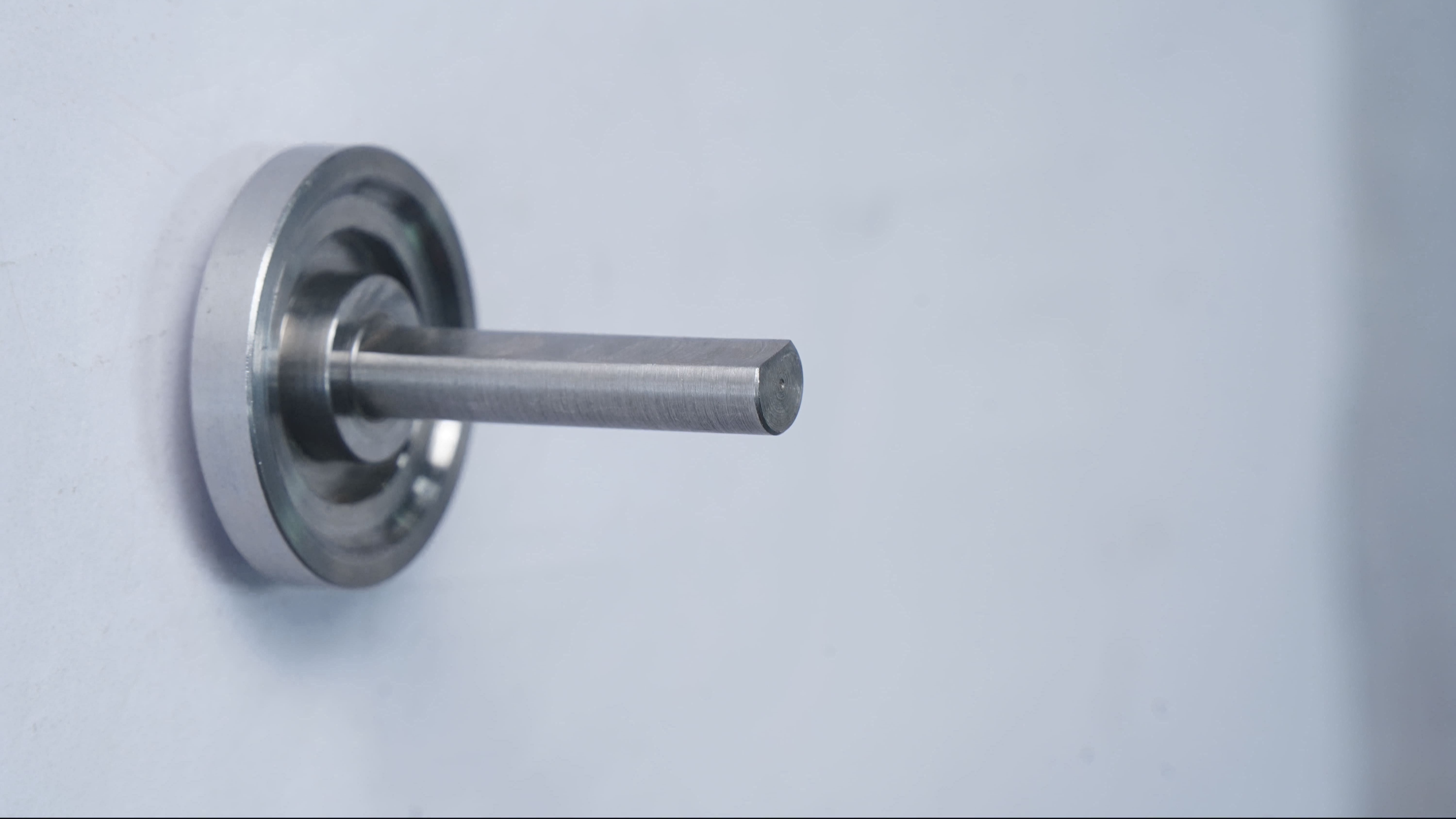
Suppose a shaft diameter carries a very narrow tolerance. The first few components may measure perfectly. As production continues, gradual cutting-tool wear could begin moving the dimension toward the tolerance limit. Without suitable monitoring, variation may only become visible after several parts have already been produced.
This is why process control matters.
Machining parameters need to remain appropriate for the material and geometry. Critical dimensions should be identified before production. Inspection intervals can then be planned according to the component's tolerance sensitivity and production quantity.
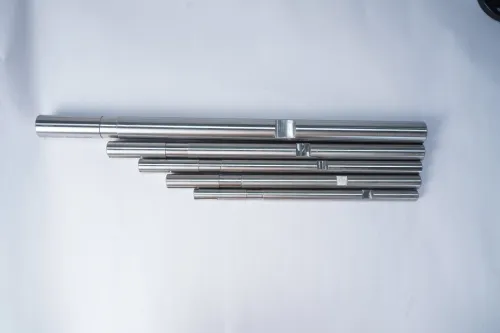
For long or narrow parts, component support becomes especially important. Sliding head machining places the cutting operation close to the guide bush, which can help control deflection in suitable component geometries.
Multi-axis machining can further support complex designs by producing several features during a coordinated setup. Reducing repeated repositioning can be valuable where relationships between features need to remain controlled.
At Efficient Precision & System Pvt.Ltd in Pune, precision component requirements can be evaluated around the actual drawing, material and application rather than relying solely on a generic machining specification.
For buyers, one useful practice is to clearly identify functional and critical dimensions on the drawing. It helps manufacturing and inspection efforts focus where they matter most.
Working with demanding tolerances? Share your technical requirements to discuss a practical production and inspection approach.