
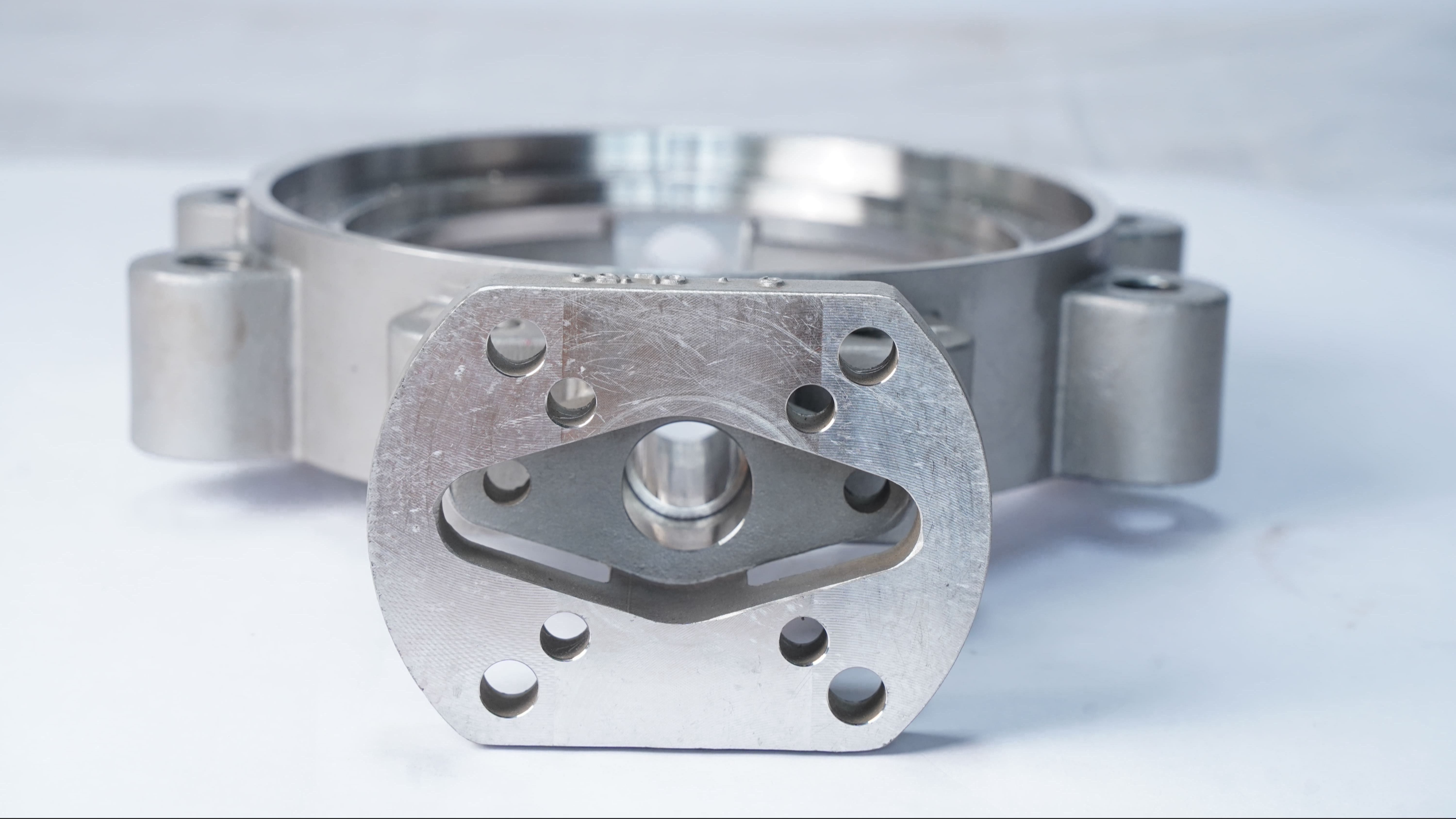
A turned component doesn't always contain only turned features.
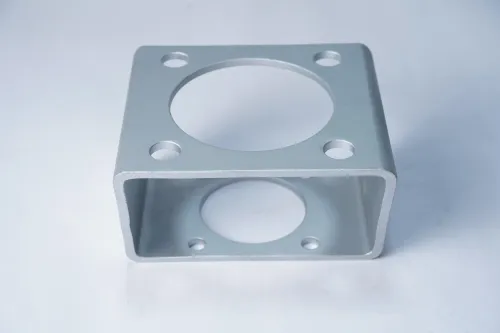
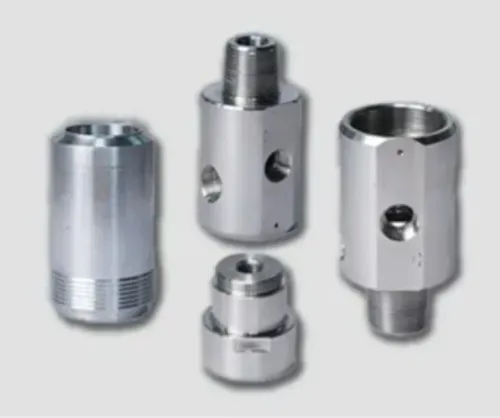
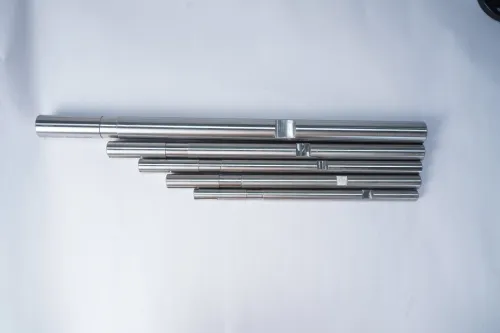
Many modern parts combine diameters, flats, grooves, threads, cross holes, slots and other geometry within one compact design. Manufacturing these parts conventionally may involve several machines and repeated setups.
That is where multi-axis turned components become interesting.
Multi-axis CNC technology can combine different machining movements within a coordinated production process. Depending on machine capability and part geometry, turning may be performed alongside drilling, milling, threading or cross-working operations.
Why does this matter?
Every time a component moves from one machine or fixture to another, additional setup and alignment become necessary. Reducing these transfers can simplify the production route and, for suitable parts, help maintain relationships between machined features.
The approach can be especially useful for small precision components where multiple features are positioned close together. Sliding head CNC and Swiss-type systems can combine material support with multi-axis machining capability, making them suitable for certain complex geometries.
However, successful multi-axis production still begins with process planning. Tool accessibility, sequence of operations, material behaviour and inspection requirements all need consideration before machining starts.
Pune's manufacturing base continues to create demand for increasingly complex components used in assemblies, machines and engineered systems. Efficient Precision & System Pvt.Ltd works with such precision manufacturing requirements, where production methods need to balance accuracy, complexity and repeatability.
If your current component requires several separate machining operations, reviewing whether those operations can be consolidated may reveal a more practical production strategy.
Share the drawing to explore whether multi-axis machining fits your component geometry.