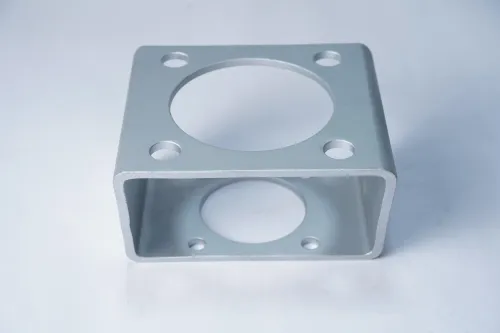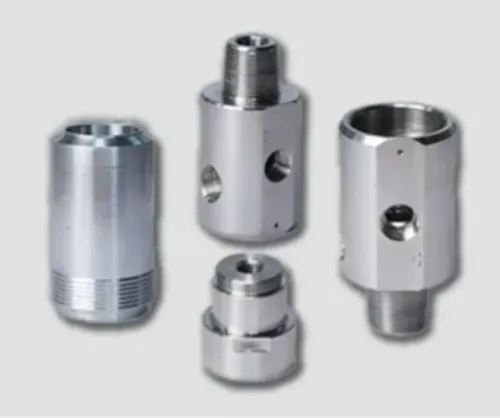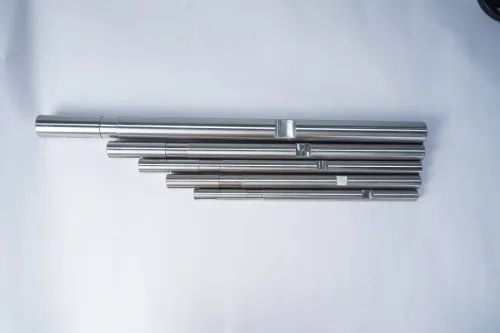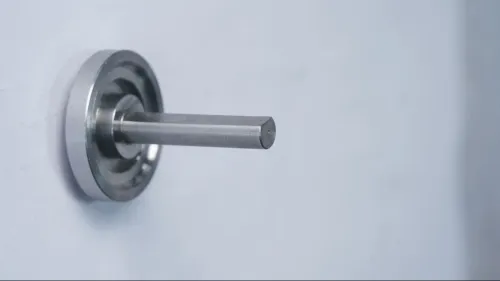


In precision manufacturing, smaller parts often create bigger production challenges. A component may look simple on a drawing, yet its diameter, concentricity, surface finish and dimensional consistency can determine whether an entire assembly performs as expected. This is where sliding head machining components become particularly relevant for industries working with complex, slender and close-tolerance parts.
Sliding head machining differs from conventional turning because the workpiece is supported close to the cutting zone. Instead of leaving a long section of material unsupported, the machine feeds the bar through a guide bush while machining takes place nearby. This arrangement can provide greater stability when producing long, narrow or small-diameter components.
For engineering and manufacturing companies, this becomes useful when production involves shafts, pins, sleeves, bushes, connectors and other intricate turned parts. A conventional setup may be perfectly suitable for many components, but slender geometries can introduce vibration or deflection during machining. Sliding head technology is designed to manage these kinds of production conditions more effectively.
The real value, however, isn't simply the machine itself. Tool selection, process planning, material behaviour, cutting parameters and inspection methods all contribute to the finished component. A sophisticated machine without proper process control can still produce inconsistent results.
In Pune's diverse manufacturing ecosystem, requirements can vary considerably between automotive, industrial equipment, instrumentation and general engineering applications. Efficient Precision & System Pvt.Ltd works within this manufacturing environment, where dimensional accuracy and repeatable production are important considerations from prototype development through regular batch manufacturing.
When evaluating a supplier, buyers should therefore look beyond whether sliding head machining is available. Understanding drawing requirements, tolerance-critical dimensions, material specifications and inspection expectations before production begins can prevent avoidable issues later.
Need to discuss a precision component requirement? Share your component drawing and specifications to explore a machining approach suited to the application.