
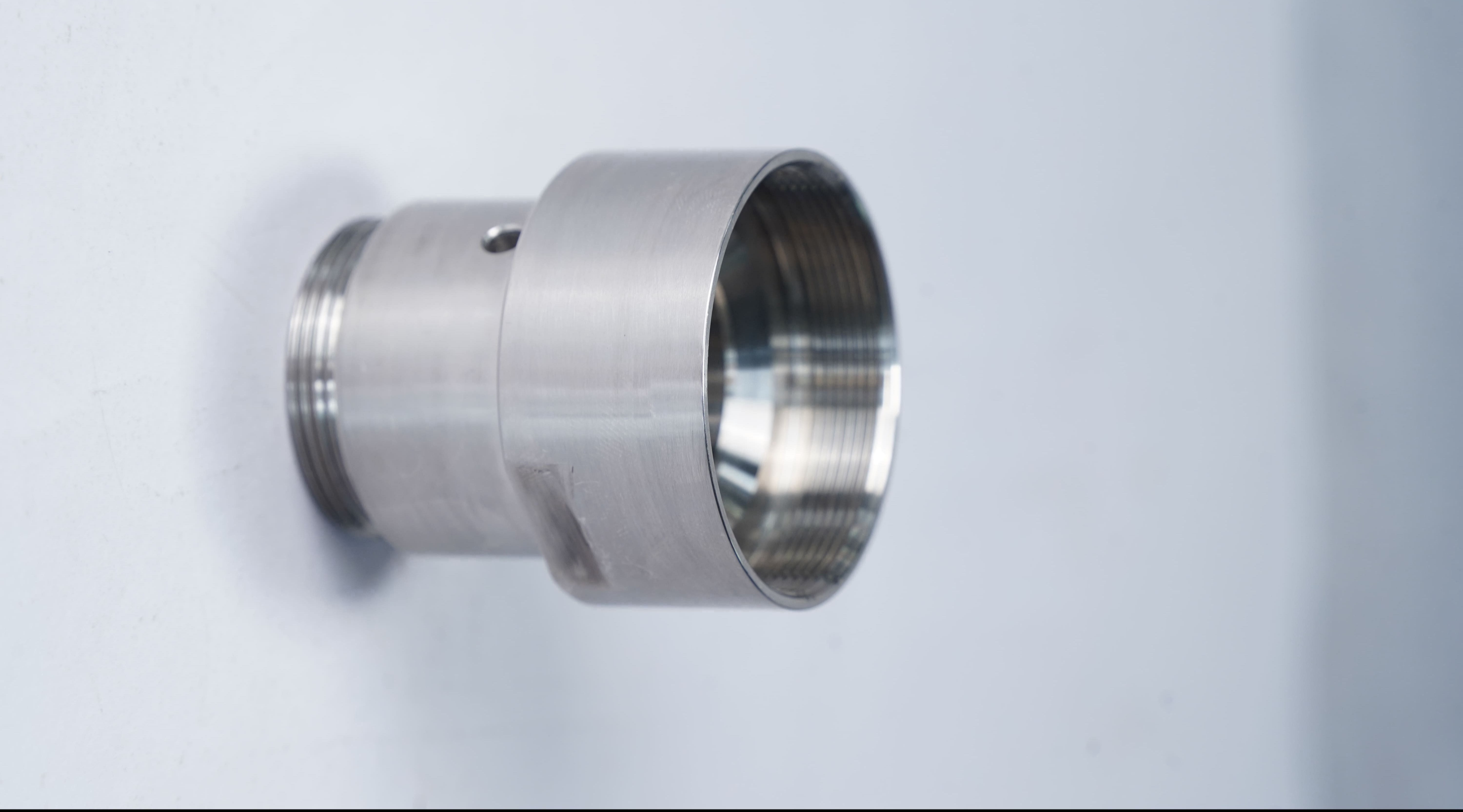
Selecting a machining partner isn't simply about finding someone who owns CNC or VMC equipment. The more important question is whether the manufacturer can understand the component, plan the process and maintain the required consistency.
For buyers searching for CNC VMC precision components, capability should therefore be evaluated from several angles.
Start with the drawing.
A competent manufacturing discussion should address material, critical dimensions, geometric tolerances, surface requirements and expected production quantities. These details influence whether turning, VMC machining, sliding head machining or a combination of processes is appropriate.
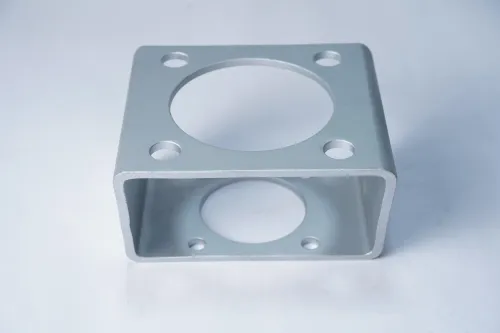
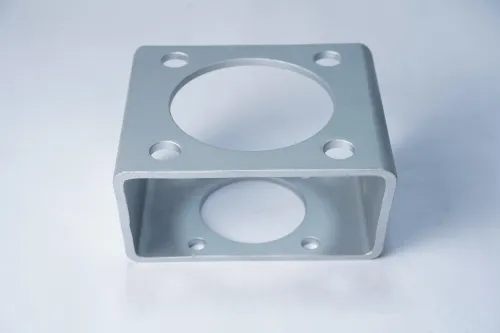
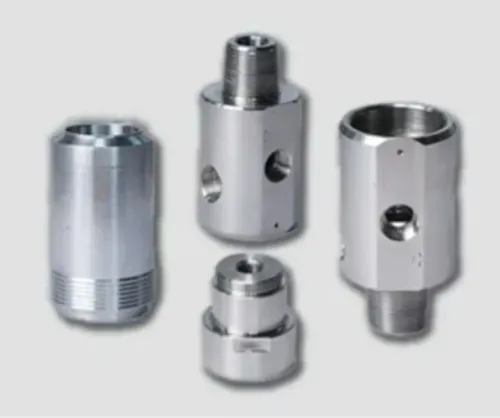
For rotational components, CNC turning may provide the primary manufacturing route. More intricate small-diameter parts can sometimes benefit from sliding head or Swiss-type machining. Components containing milled faces, pockets, drilled patterns or other prismatic features may require VMC operations.
Some designs need more than one technology.
This is where process planning becomes important. The objective isn't to use the most sophisticated machine available; it's to select a production route that suits the actual component.
Inspection capability should also form part of supplier evaluation. Buyers need confidence that critical dimensions are being checked with suitable measuring equipment and that requirements are understood before regular production begins.
Communication matters more than it sometimes gets credit for. Changes in drawings, quantities, materials or delivery requirements can happen during an engineering project. Clear technical communication helps both sides respond without creating avoidable confusion.
Efficient Precision & System Pvt.Ltd serves precision machining requirements from Pune, working with applications involving CNC turning, sliding head machining, Swiss-type machining, multi-axis production and precision component manufacturing.
A reliable supplier relationship ultimately develops through repeatable manufacturing, clear technical understanding and consistent communication—not simply through a quotation.
If you're evaluating a manufacturing source for a new or existing precision component, share your drawing, material grade, quantity and tolerance requirements to begin a focused technical discussion.