
A retainer ring keeps a valve’s internal parts in a controlled axial position, but its success depends on the load path, groove, material and installation—not on nominal diameter alone. By the end, you will be able to identify the right retention method, check its fit across operating conditions and recognise when a ring is unsuitable for the valve assembly.
Key takeaways
- Match ring section, groove width and groove depth to the valve design.
- Check pressure, temperature and vibration effects on axial retention load.
- Compare circlips, snap rings, spiral rings and threaded retainers by application.
- Require material, groove and inspection records before approving valve retainer rings.
How a retainer ring holds a valve component in place
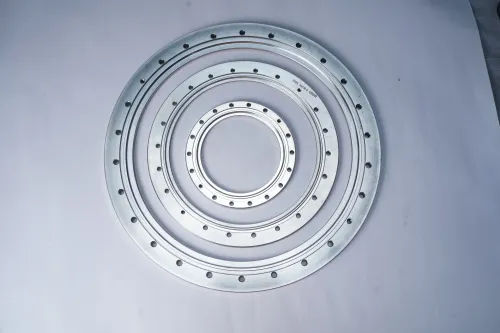
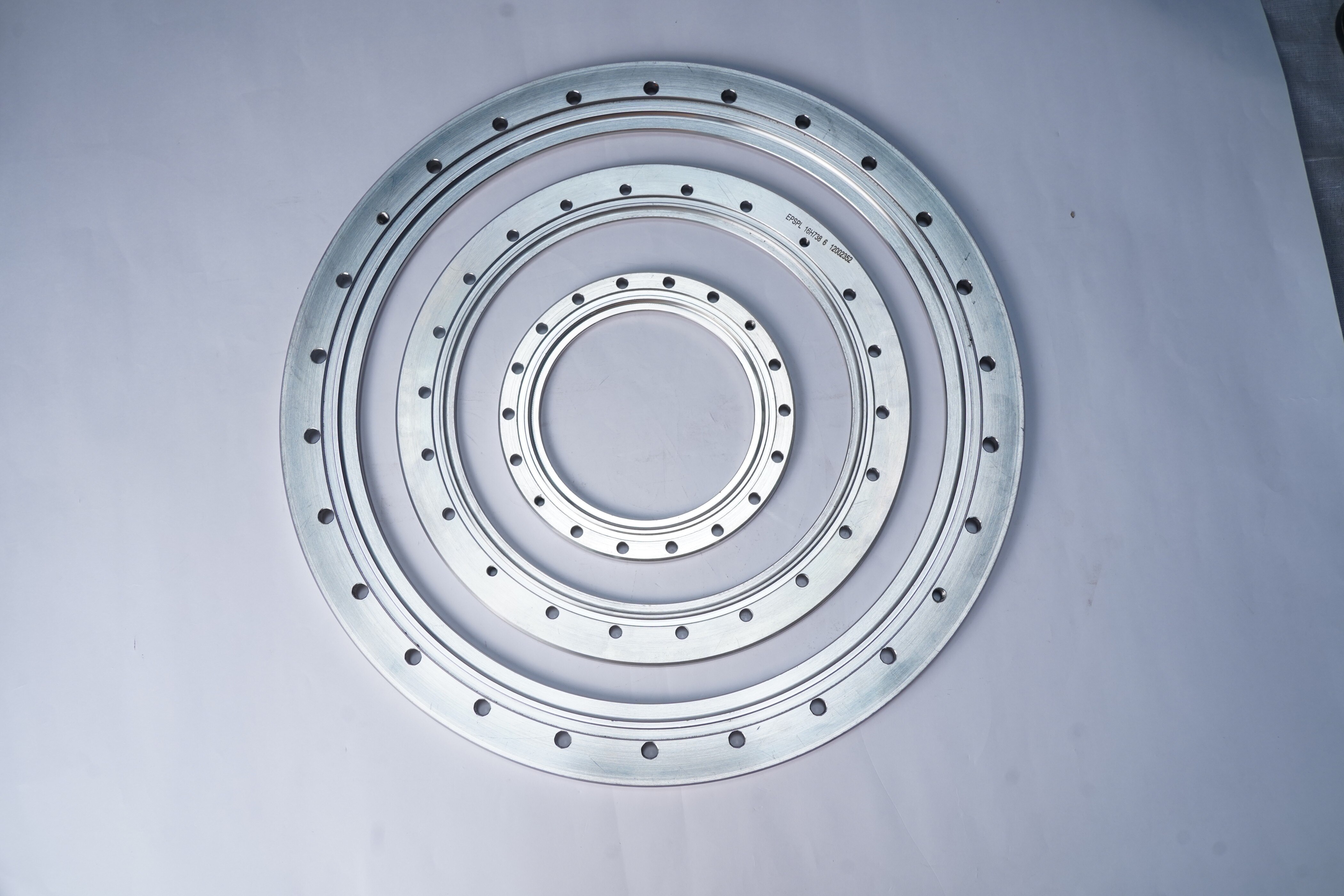
A retainer ring is installed into a machined groove so it forms a positive axial stop for an internal valve part. An internal ring expands into a bore groove; an external ring contracts into a shaft groove. The ring’s section, groove width and groove depth must match the specified design, not merely the component diameter.
Install it with tooling made for that ring. Pliers that over-expand or twist the ring can permanently weaken it and reduce the valve retainer ring benefits. After installation, confirm that the ring has returned fully into the groove and that no section sits proud, tilted or partly disengaged.
A proper installation sequence is:
- Clean the groove and remove burrs from both flanks.
- Fit the ring in the specified orientation, using an internal or external installation tool.
- Check complete groove engagement around the circumference.
- Confirm the retained part has the specified axial clearance and does not bind.
- Replace the ring after removal unless its manufacturer permits reuse.
Retainer ring valve components normally include parts located axially inside the body, such as:
- a valve seat or seal carrier
- a stem collar or anti-blowout feature
- a spring or spring seat
- a bearing, guide or thrust washer
The ring may locate these parts without carrying pressure. Establish the load path explicitly: pressure may act against the ring, a body shoulder, threaded retainer or cover. Size the ring for that axial load before treating retention as secure.
How pressure, temperature and vibration change the retention load
A correctly selected ring keeps a seat, stem collar or seal carrier axially aligned by resisting the calculated load from pressure differentials, thermal movement and actuation—not by matching nominal diameter alone. If the ring or groove is undersized, the component can shift, cock or unload when the pressure direction changes.
- Pressure cycling creates axial force across the retained component. Size the ring, groove shoulders and load path for the maximum differential pressure, including reversal and transient loads.
- Temperature change expands the valve body, retained part and ring at different rates. Select compatible materials and clearances so thermal growth does not loosen the fit or over-compress the ring.
- Vibration, shock and repeated actuation can reduce contact at the groove and amplify local impact. Adequate seating, groove geometry and ring resilience prevent fretting, rotation or ejection.
The valve retainer ring benefits disappear if the ring carries a load that the design never assigned to it. Establish whether pressure passes through the ring, a body shoulder, threaded retainer, cover or another structural path; a retainer ring is not automatically part of the pressure boundary.
For retainer rings for industrial valves, check corrosion, valve-medium compatibility, galvanic couples and temperature alongside strength. Austenitic stainless steel may resist corrosion yet provide different hardness and spring behaviour than carbon or precipitation-hardening steel. The ring’s calculations and inspection evidence must support the complete valve qualification, including its pressure-temperature rating and functional tests.
Choosing between circlips, snap rings, spiral rings and threaded retainers
A light-to-moderate axial load and quick assembly favour a circlip or snap ring. Higher thrust, pressure reversal, shock or a pressure-boundary load favour a threaded retainer, provided you have room and tool access. Spiral rings suit rotating parts that need continuous 360-degree support, but their winding installation demands clear axial access.
| Option | Load and movement | Space and installation access |
|---|---|---|
| Circlip or snap ring | Light to moderate axial retention; suitable for limited actuation loads when the ring cannot rotate or unseat | Compact radial package and fast groove installation; requires accurate groove geometry and visible seating |
| Spiral ring | Distributed axial support for rotating or repeatedly cycled components; resists local loading around the circumference | Efficient radial use of space; needs access to wind the ring into the groove and remove it |
| Threaded retainer | Higher, sustained or reversing loads; positive engagement is easier to verify | Needs thread length, wrench or spanner access, and clearance for tightening; adds axial parts and assembly time |
The names are not interchangeable. A standard circlip is not a heavy-duty retaining ring, and neither automatically qualifies as a pressure-retaining split ring. Specify the ring standard, section, material, groove dimensions and installation orientation on the drawing.
For retainer rings for industrial valves, calculate the axial force from differential pressure, spring force and actuator loads rather than choosing by nominal shaft or bore diameter. Confirm that retainer ring valve components cannot cock, rotate or leave the groove during vibration and repeated cycling.
If the ring carries pressure-boundary load, document that load path separately; a body shoulder or threaded cover may need to carry it instead.
Selecting the groove, material and inspection criteria
A secure ring starts with a matched groove, not the ring diameter alone. Specify shaft or bore diameter, groove diameter, width, depth, axial position, corner radius, radial clearance and allowable runout; on small valve parts, a burr at the groove flank can stop seating or cut a seal.
The drawing must also state the ring section, installation direction and axial load.
| Ring choice | What to specify | Evidence to retain |
|---|---|---|
| DIN 471 external ring | Shaft diameter, groove diameter, width and depth | Ring certificate, groove measurement and seating check |
| DIN 472 internal ring | Bore diameter, groove diameter, width and depth | Material traceability, bore inspection and installed-height record |
| Heavy-duty or pressure-boundary retainer | Load calculation, section, orientation and positive engagement | Design review, functional load test and valve qualification record |
For retainer rings for industrial valves, select material against medium, temperature, corrosion and galvanic contact. Record the exact grade, heat or batch number, hardness and coating; EN 10204 type 3.1 certification supports material traceability, while EN 10088 identifies many stainless grades. Check plating for hydrogen-embrittlement risk.
Ask suppliers of industrial retainer rings Germany buyers can audit for these records:
- Dimensional report covering ring section and every groove dimension
- Optical or CMM results for runout, burr removal and edge condition
- Assembly record proving complete seating around the circumference
- Functional evidence for axial load, thermal cycling and vibration
- Applicable valve standard and pressure-equipment conformity route; the Pressure Equipment Directive is not blanket approval for the individual ring
What Mannheim buyers should verify before approving a valve retainer ring
Approve the ring only when its drawing, machined groove and valve qualification describe the same design. “Mannheim” identifies a location, not a valve category: a search for retainer rings for valve systems Mannheim must resolve the valve type, nominal size, pressure class, medium, temperature range and governing standard.
1. Match the ring drawing to the approved valve drawing. Check ring material, free and installed dimensions, groove diameter, width, depth, axial position, load calculation and assembly access. Include hot or cryogenic clearances; differential expansion can cause binding or allow impact and fretting.
2. Inspect the groove, not just the ring. Require measured groove width, depth, position and runout, plus evidence of burr removal and edge inspection. A flank burr can stop seating or cut a seal even when every recorded dimension falls within tolerance.
3. Link machining records to the actual batch. Efficient Precision & System Pvt.Ltd can be evaluated through the same evidence: material certificate, dimensional report, inspection equipment identification, traceability and nonconformance disposition. A generic certificate does not prove that this ring fits this valve.
4. Qualify the complete assembly before release. For an ASME B16.34 or API 6D valve, confirm pressure-temperature ratings, shell and closure tests, materials, functional tests and ring retention under cycling. For covered equipment, establish the Pressure Equipment Directive conformity route; “industrial retainer rings Germany” is not itself a compliance category.
Do not treat German manufacture as approval.
Related product
 | Industrial Valve Efficient Precision is a leading manufacturer and supplier of quality Retainer rings in India and Germany Years of experience in the industry have... View product → |
Frequently asked questions
How does a retainer ring hold a valve component in place?
The ring sits in a machined groove and creates a positive axial stop. Internal rings expand into bore grooves, while external rings contract into shaft grooves.
What changes the retention load on a valve retainer ring?
Pressure, temperature and vibration can alter axial forces, material strength, fit and seating. Specify the ring and groove for the valve’s operating conditions.
How do circlips, snap rings, spiral rings and threaded retainers differ?
Compare their available load capacity, installation space, vibration resistance, serviceability and tolerance of repeated assembly before choosing a retainer type.
What should Mannheim buyers verify before approving a valve retainer ring?
Verify the ring material, section, groove width and depth, dimensional inspection results, surface condition and documentation against the approved valve drawing.